Transitioning from the Australian Defence Force (ADF) to civilian life brings unique challenges that extend far beyond finding a new career. For many who have served, the physical and mental toll of service lingers for years, often requiring specialized attention. This reality makes veteran-centered care an essential component of Australia’s broader healthcare system. It requires an understanding that a veteran’s medical history is vastly different from that of the general population.
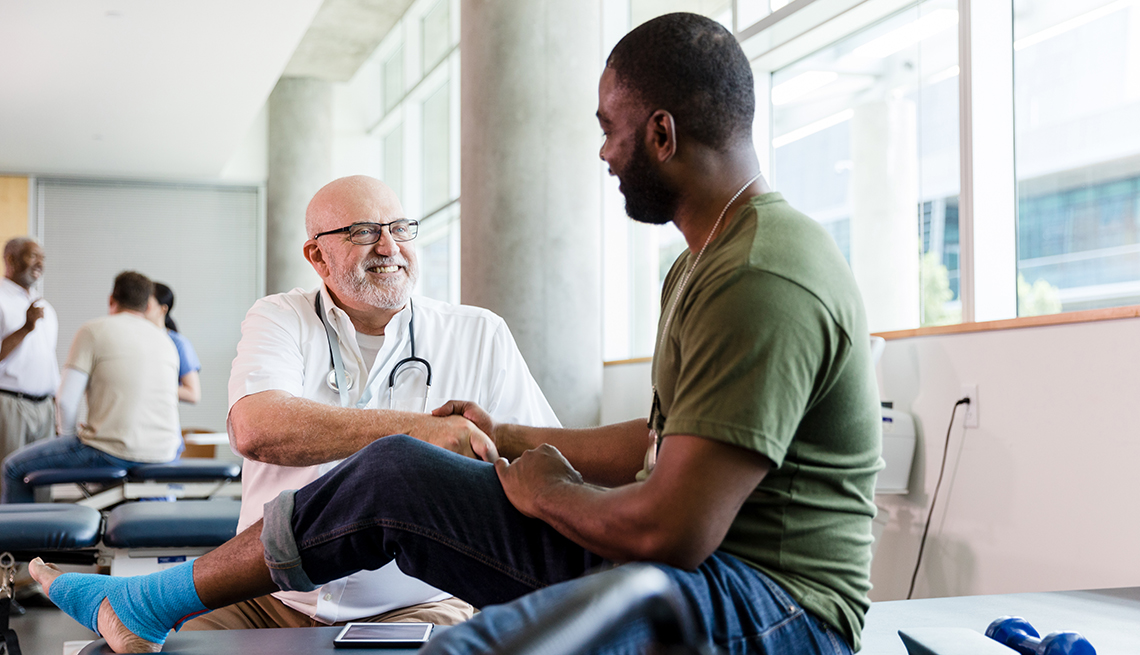
Standard healthcare providers often treat symptoms in isolation, but veterans frequently present with complex, interrelated conditions. A knee injury from training exercises might be connected to chronic pain, which in turn exacerbates sleep disorders or mental health struggles. A comprehensive Veteran Medical service recognizes these connections and treats the person as a whole, rather than just addressing a list of separate ailments. This holistic approach ensures that treatment plans are effective and sustainable.
When doctors and support staff understand military culture, they build trust faster. Many veterans feel reluctant to discuss their experiences with civilians who might not grasp the nuances of service life. Having healthcare professionals who are trained in veteran-specific issues creates a safer environment. This cultural competence encourages open communication, leading to more accurate diagnoses and better health outcomes for former ADF members.
Understanding the Unique Health Needs of Veterans
The nature of military service exposes individuals to hazards rarely encountered in civilian jobs. From heavy physical loads to exposure to hazardous materials or combat stress, the risk factors are distinct.
Australian veterans often face higher rates of musculoskeletal conditions and hearing loss compared to the general public. Mental health conditions, including Post-Traumatic Stress Disorder (PTSD), anxiety, and depression, are also prevalent. Effective care acknowledges these specific risks and proactively screens for them, rather than waiting for a crisis to emerge.
The Role of Family in Veteran Care
Veteran-centered care extends to the family unit. The families of ADF members serve alongside them in many ways, enduring long separations and the stress of deployments. When a veteran struggles with health issues, the impact ripples through their partner and children.
Inclusive medical approaches involve family members in the treatment process where appropriate. Educating families about a veteran’s condition helps them provide better support at home. It also ensures that the family’s own mental and emotional needs are not overlooked during the transition to civilian life.
Moving Towards a More Integrated System
Australia has made significant strides in acknowledging the specific needs of its veteran community. The focus is shifting from reactive treatments to preventative care and long-term wellness. This includes simplified access to rehabilitation, mental health support, and chronic disease management.
By prioritizing care that respects the unique background of those who served, the healthcare system does more than treat illness. It validates their service and sacrifice. Ensuring that every veteran receives respectful, informed, and comprehensive care is a responsibility that benefits the entire community.
