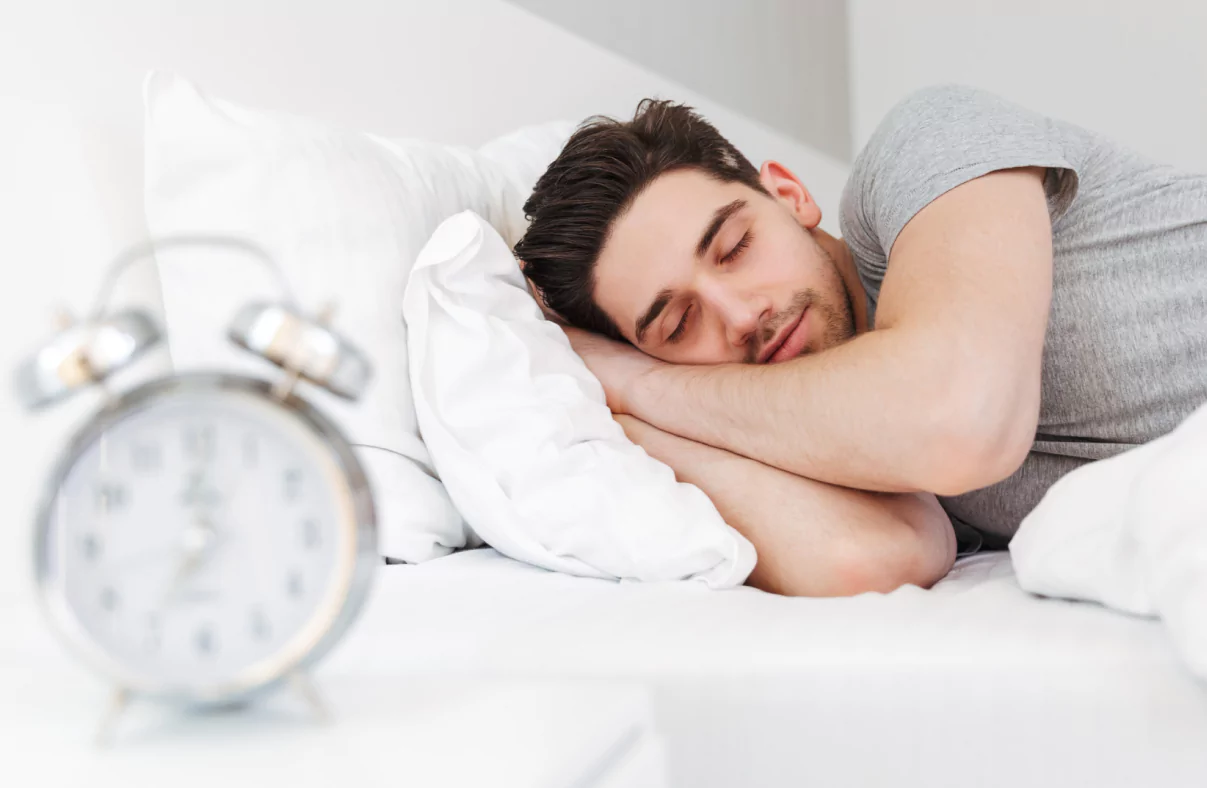
Sleep is not just a period of rest—it is a vital biological process that directly influences physical health, mental well-being, and overall quality of life. Despite its importance, sleep is often overlooked in modern lifestyles, leading to long-term health consequences.
Understanding how sleep affects the body can help you make better choices and maintain a healthier routine.
Why Sleep Is Essential for Health
Sleep allows the body to recover, repair, and regulate essential systems.
Key Functions of Sleep
- Restores energy levels
- Repairs tissues and muscles
- Supports brain function
- Regulates hormones
Without adequate sleep, these processes become disrupted, affecting overall health.
Impact on Physical Health
Sleep plays a major role in maintaining the body’s physical condition.
Effects of Good Sleep
- Strengthens the immune system
- Supports heart health
- Helps maintain a healthy weight
- Improves physical performance
On the other hand, poor sleep increases the risk of chronic conditions such as heart disease and diabetes.
Sleep and Mental Well-Being
Mental health is closely linked to sleep quality and duration.
How Sleep Affects the Mind
- Improves concentration and memory
- Enhances emotional stability
- Reduces stress and anxiety
- Supports decision-making abilities
Lack of sleep can lead to irritability, mood swings, and reduced cognitive performance.
The Role of Sleep Cycles
Sleep occurs in cycles that include different stages, each with a specific function.
Main Stages
- Light sleep: Transition phase
- Deep sleep: Physical recovery and repair
- REM sleep: Dreaming and brain activity
Completing full sleep cycles is essential for feeling refreshed and alert.
Sleep and Hormonal Balance
Sleep regulates hormones that control appetite, stress, and growth.
Key Hormones Affected
- Melatonin: Controls sleep-wake cycle
- Cortisol: Manages stress levels
- Leptin and ghrelin: Regulate hunger
Disrupted sleep can lead to increased appetite and weight gain.
Effects of Sleep Deprivation
Chronic lack of sleep can have serious health consequences.
Common Effects
- Fatigue and low energy
- Weakened immunity
- Poor concentration
- Increased risk of chronic diseases
Over time, sleep deprivation can significantly impact both physical and mental health.
How Much Sleep Do You Need?
Sleep needs vary depending on age and lifestyle.
General Guidelines
- Adults: 7–9 hours per night
- Teenagers: 8–10 hours
- Children: 9–12 hours
Quality of sleep is just as important as quantity.
Tips for Better Sleep
Improving sleep habits can lead to better overall health.
Practical Strategies
- Maintain a consistent sleep schedule
- Create a comfortable sleep environment
- Avoid screens before bedtime
- Limit caffeine intake in the evening
- Practice relaxation techniques
Small changes can significantly improve sleep quality.
The Link Between Sleep and Lifestyle
Daily habits influence how well you sleep.
Factors That Affect Sleep
- Physical activity levels
- Diet and hydration
- Stress and mental health
- Exposure to natural light
A balanced lifestyle supports healthy sleep patterns.
Conclusion
Sleep is a cornerstone of good health, affecting nearly every system in the body. From improving physical performance to enhancing mental clarity and emotional stability, quality sleep is essential for long-term well-being. By prioritizing rest and adopting healthy sleep habits, you can significantly improve your overall health and daily functioning.
FAQs
1. What happens if I don’t get enough sleep regularly?
Chronic sleep deprivation can lead to fatigue, weakened immunity, and increased risk of serious health conditions.
2. Can sleep affect weight management?
Yes, poor sleep disrupts hormones that control hunger, often leading to overeating.
3. Is it better to sleep early or just get enough hours?
Both matter, but maintaining a consistent sleep schedule aligned with natural rhythms is ideal.
4. Can naps replace nighttime sleep?
Short naps can help, but they cannot fully replace the benefits of proper nighttime sleep.
5. How does exercise impact sleep quality?
Regular physical activity improves sleep, but intense workouts close to bedtime may disrupt it.
6. Why do I feel tired even after sleeping for long hours?
Poor sleep quality or disrupted sleep cycles may prevent proper rest despite long durations.
7. Can stress affect sleep patterns?
Yes, high stress levels can make it difficult to fall asleep and stay asleep.
