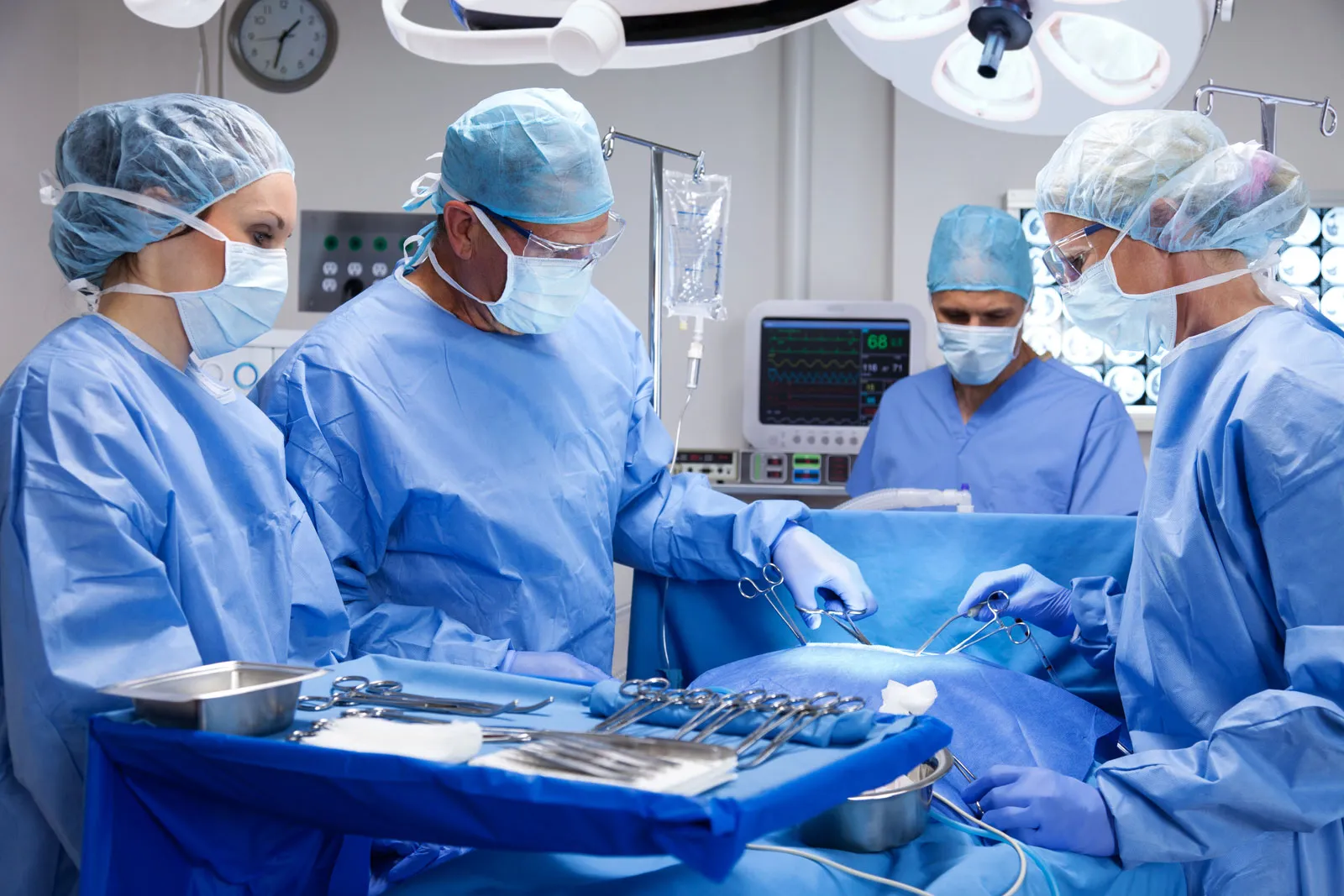
Surgical techniques have undergone remarkable transformation over centuries, evolving from rudimentary procedures to highly precise, technology-driven interventions. What was once risky and painful has become safer, faster, and more effective, thanks to advancements in science, technology, and medical knowledge. Understanding this evolution highlights how far healthcare has progressed and where it is headed.
Early Surgical Practices
In ancient times, surgery was a last resort due to limited knowledge and high risks.
Characteristics of Early Surgery
- Performed without anesthesia
- Limited understanding of infection control
- Basic tools made from stone or metal
- High mortality rates
Procedures were often crude, and survival depended heavily on luck rather than technique.
Introduction of Anesthesia and Antiseptics
The 19th century marked a turning point in surgical history.
Key Breakthroughs
- Anesthesia: Allowed pain-free procedures
- Antiseptics: Reduced infection rates
- Sterilization techniques: Improved surgical safety
These innovations made surgery more humane and significantly increased survival rates.
Development of Modern Surgical Tools
As medical science advanced, so did surgical instruments and techniques.
Improvements Included
- Precision-engineered tools
- Better suturing materials
- Advanced imaging for planning surgeries
Surgeons gained greater control, leading to improved outcomes and reduced complications.
Rise of Minimally Invasive Surgery
One of the most significant advancements in recent decades is minimally invasive surgery.
Common Techniques
- Laparoscopy
- Endoscopy
- Keyhole surgery
Benefits
- Smaller incisions
- Less pain and scarring
- Faster recovery times
- Shorter hospital stays
These techniques have replaced many traditional open surgeries.
Robotic-Assisted Surgery
Technology has introduced robotics into the operating room.
How It Works
- Surgeons control robotic arms with high precision
- Enhanced visualization through 3D imaging
- Greater accuracy in complex procedures
Advantages
- Reduced human error
- Improved surgical precision
- Better patient outcomes
Robotic surgery is increasingly used in fields like cardiology, urology, and oncology.
Role of Imaging and Navigation
Advanced imaging technologies have revolutionized surgical planning and execution.
Key Tools
- MRI and CT scans
- Real-time imaging during procedures
- Computer-assisted navigation systems
These tools allow surgeons to operate with greater accuracy and confidence.
Personalized and Precision Surgery
Modern surgery is becoming more tailored to individual patients.
Features
- Customized surgical plans
- Use of patient-specific data
- Integration with genetic information
This approach improves effectiveness and reduces risks.
Outpatient and Day Surgeries
Many procedures that once required long hospital stays are now performed on an outpatient basis.
Benefits
- Reduced healthcare costs
- Faster return to normal activities
- Lower risk of hospital-acquired infections
Patients can recover comfortably at home in many cases.
Challenges in Surgical Advancements
Despite progress, some challenges remain.
Ongoing Issues
- High cost of advanced technologies
- Need for specialized training
- Limited access in certain regions
- Ethical considerations in robotic and AI-assisted surgery
Addressing these challenges is essential for equitable healthcare.
The Future of Surgery
Surgical techniques continue to evolve with emerging technologies.
Future Trends
- AI-assisted surgical decision-making
- Remote surgeries using robotics
- Integration of augmented reality
- Further reduction in invasiveness
These innovations aim to make surgery safer, faster, and more accessible.
Conclusion
The evolution of surgical techniques reflects the incredible progress of medical science. From primitive procedures to advanced robotic surgeries, each step has improved patient safety, comfort, and outcomes. As technology continues to advance, the future of surgery promises even greater precision and accessibility, transforming healthcare for generations to come.
FAQs
1. What was the biggest breakthrough in surgical history?
The introduction of anesthesia and antiseptics significantly transformed surgery by reducing pain and infection risks.
2. What is minimally invasive surgery?
It involves performing procedures through small incisions using specialized tools, leading to faster recovery.
3. Is robotic surgery completely automated?
No, it is controlled by surgeons who use robotic systems to enhance precision.
4. Are modern surgeries safer than older methods?
Yes, advancements in technology and techniques have greatly improved safety and success rates.
5. What types of surgeries use robotic assistance?
Common areas include heart surgery, prostate surgery, and certain cancer treatments.
6. Can all surgeries be performed minimally invasively?
Not all, but many procedures now have minimally invasive options.
7. How is technology shaping the future of surgery?
Technologies like AI, robotics, and advanced imaging are making surgeries more precise and efficient.
