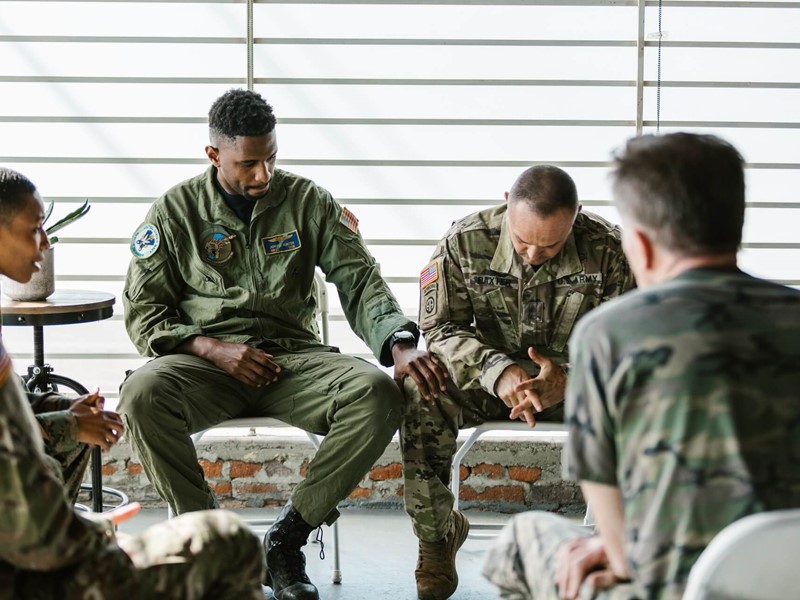
Australia has a proud history of military service, with thousands of men and women dedicating years of their lives to the defence force. However, the transition back to civilian life can present significant hurdles. While physical injuries are often visible and readily treated, the psychological impact of service is frequently less apparent but just as debilitating. Ensuring that those who have served can access the support they need is a national responsibility, not just a matter of individual resilience.
For many ex-service personnel, the stigma surrounding mental health remains a barrier to getting help. There is often a strong culture of self-reliance within the military, which can make admitting to struggles feel like a weakness. Breaking down these barriers requires a shift in how society discusses psychological wellbeing. It involves creating environments where asking for assistance is seen as a step towards strength rather than an admission of defeat. When we talk about veteran mental health, we must focus on removing the obstacles that prevent timely intervention.
Accessibility is about more than just having services available; it is about ensuring those services are appropriate and easy to reach. In Australia, the tyranny of distance can make this difficult, particularly for veterans living in regional and remote areas. Telehealth initiatives and mobile support units are becoming increasingly important tools in bridging this gap. By bringing care directly to the individual, we can ensure that geography does not dictate the quality of support a veteran receives.
The unique nature of military service means that generic mental health support is not always effective. Veterans often face specific challenges such as Post-Traumatic Stress Disorder (PTSD), anxiety, and depression related to combat or service-related trauma. Professionals who understand military culture and the specific pressures of deployment are essential. This cultural competence ensures that veterans feel understood and respected, rather than having to explain the basics of military life before addressing their actual concerns.
Families also play a vital role in this ecosystem. Partners and children are often the first to notice changes in behaviour or mood. Providing support networks and education for families empowers them to help their loved ones effectively. When a veteran struggles, the entire family unit is affected, so care models must look at the holistic picture rather than treating the individual in isolation.
Community connection is another powerful tool. Many veterans report feeling isolated after leaving the structured environment of the defence force. Peer support groups and community organisations provide a sense of camaraderie that can be missing in civilian life. Connecting with others who have shared similar experiences can reduce feelings of loneliness and provide a safe space to discuss challenges without judgement.
Moving forward, the focus must remain on proactive care. Waiting until a crisis occurs is too late. Early intervention strategies, regular check-ins, and a streamlined system for accessing benefits are crucial. By simplifying the administrative processes and reducing red tape, we can ensure that energy is spent on healing rather than fighting bureaucracy.
Supporting our veterans requires a collective effort. It demands a system that is responsive, understanding, and above all, accessible. By prioritising these elements, Australia can better honour the service of its defence personnel and ensure they lead fulfilling lives after their time in uniform is complete.
