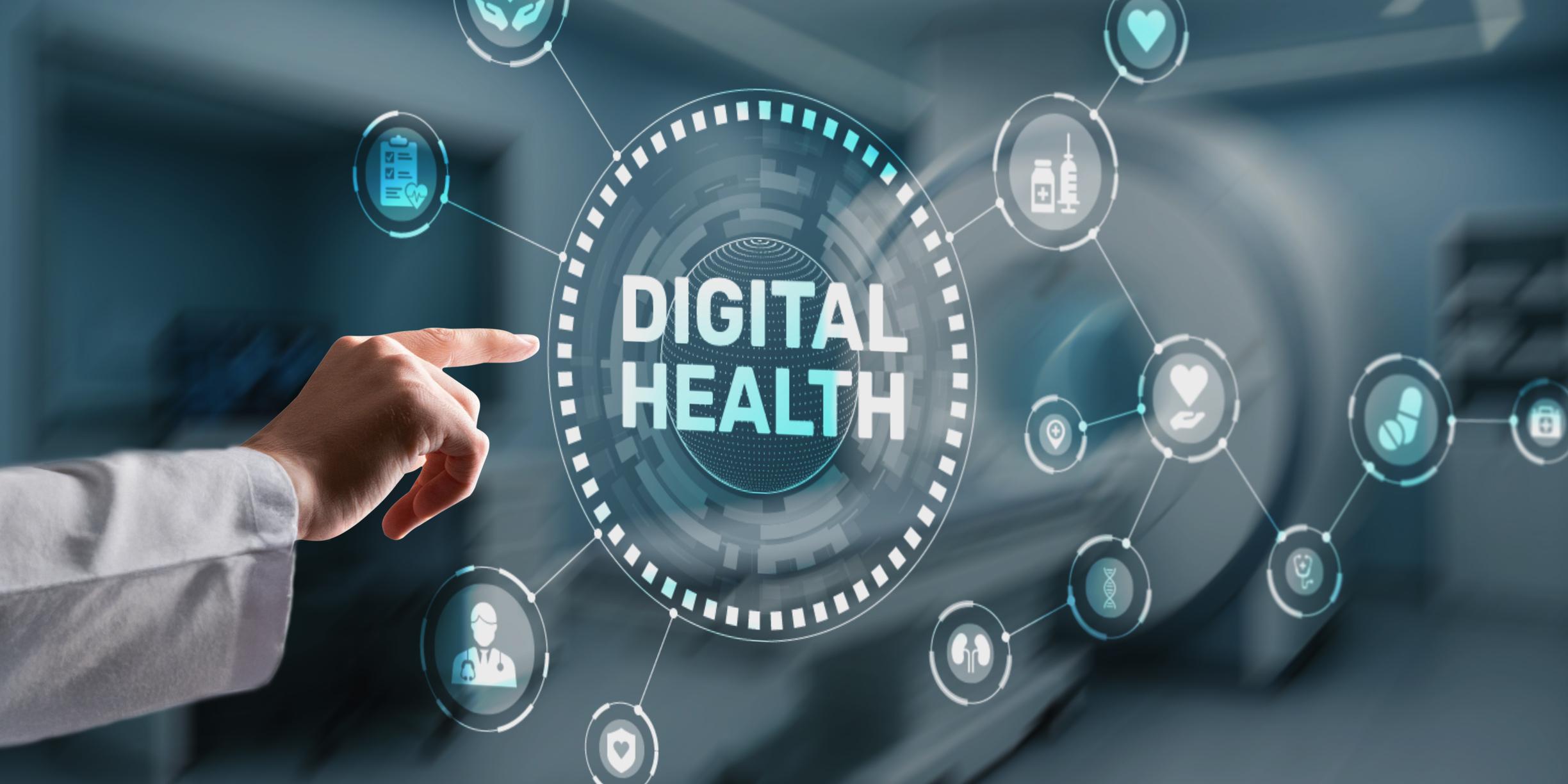
Healthcare is entering a transformative era driven by rapid technological advancement, scientific discovery, and a growing focus on patient-centered care. The future of medicine is not just about treating diseases—it’s about predicting, preventing, and personalizing care in ways that were once unimaginable.
As innovation continues to reshape the healthcare landscape, patients and providers alike can expect more efficient, accessible, and effective medical solutions.
The Shift Toward Personalized Medicine
One of the most promising developments is the move toward personalized medicine, where treatments are tailored to an individual’s genetic profile, lifestyle, and environment.
What This Means
- Treatments designed specifically for each patient
- Better prediction of disease risks
- Reduced trial-and-error in medication selection
This approach increases treatment effectiveness while minimizing side effects.
Artificial Intelligence in Healthcare
Artificial Intelligence (AI) is becoming a powerful tool in diagnosis, treatment planning, and healthcare management.
Key Applications
- Early disease detection through pattern recognition
- Medical imaging analysis with higher accuracy
- Predictive analytics for patient outcomes
- Automation of routine tasks
AI allows healthcare professionals to make faster, more informed decisions.
Rise of Telemedicine and Remote Care
Digital healthcare platforms are making medical services more accessible than ever.
Benefits of Remote Care
- Access to doctors from any location
- Reduced need for hospital visits
- Continuous monitoring of chronic conditions
- Time and cost efficiency
Telemedicine is especially valuable for people in remote or underserved areas.
Wearable Technology and Real-Time Monitoring
Wearable devices are transforming how individuals track and manage their health.
Common Innovations
- Fitness trackers monitoring heart rate and activity
- Smartwatches detecting irregular heart rhythms
- Devices tracking sleep patterns and stress levels
Impact: Real-time data empowers individuals to take proactive control of their health.
Advances in Robotic Surgery
Robotic-assisted procedures are enhancing surgical precision and outcomes.
Advantages
- Greater accuracy and control
- Minimally invasive techniques
- Reduced recovery time
- Lower risk of complications
These technologies are making complex surgeries safer and more efficient.
Breakthroughs in Biotechnology
Biotechnology is opening new frontiers in disease treatment and prevention.
Notable Developments
- Gene editing technologies like CRISPR
- Stem cell therapy for tissue regeneration
- Advanced vaccines for emerging diseases
These innovations hold the potential to treat previously incurable conditions.
Preventive Healthcare Takes Center Stage
The future of healthcare emphasizes prevention over treatment.
Key Strategies
- Early screening and risk assessment
- Lifestyle-based interventions
- Public health awareness campaigns
Preventive care reduces the burden on healthcare systems and improves overall quality of life.
Integration of Big Data in Medicine
Healthcare systems are increasingly using large datasets to improve decision-making.
How Big Data Helps
- Identifying health trends across populations
- Improving treatment protocols
- Enhancing drug development
- Supporting personalized care
Data-driven insights are shaping smarter and more efficient healthcare systems.
Challenges Ahead
While the future looks promising, several challenges must be addressed.
Key Concerns
- Data privacy and security
- High costs of advanced treatments
- Unequal access to technology
- Ethical considerations in AI and genetics
Balancing innovation with accessibility and ethics will be crucial.
Conclusion
The future of healthcare is evolving toward a more intelligent, personalized, and preventive model. With advancements in AI, biotechnology, wearable devices, and digital health platforms, medical care is becoming more efficient and patient-focused. While challenges remain, ongoing innovation continues to push the boundaries of what’s possible, offering hope for better health outcomes worldwide.
FAQs
1. What is the biggest trend shaping the future of healthcare?
Personalized medicine and AI-driven diagnostics are among the most influential trends.
2. Will technology replace doctors in the future?
No, technology will assist doctors, not replace them. Human expertise remains essential in patient care.
3. Are wearable health devices reliable?
Many are accurate for general monitoring, but they should not replace professional medical advice.
4. How will healthcare become more accessible in the future?
Telemedicine and digital platforms will expand access, especially in remote areas.
5. What role does genetics play in future treatments?
Genetics helps tailor treatments and predict disease risks, improving outcomes.
6. Is robotic surgery safe?
Yes, when performed by trained professionals, it offers high precision and reduced recovery time.
7. What are the risks of AI in healthcare?
Potential risks include data privacy issues, algorithm bias, and over-reliance on technology.
