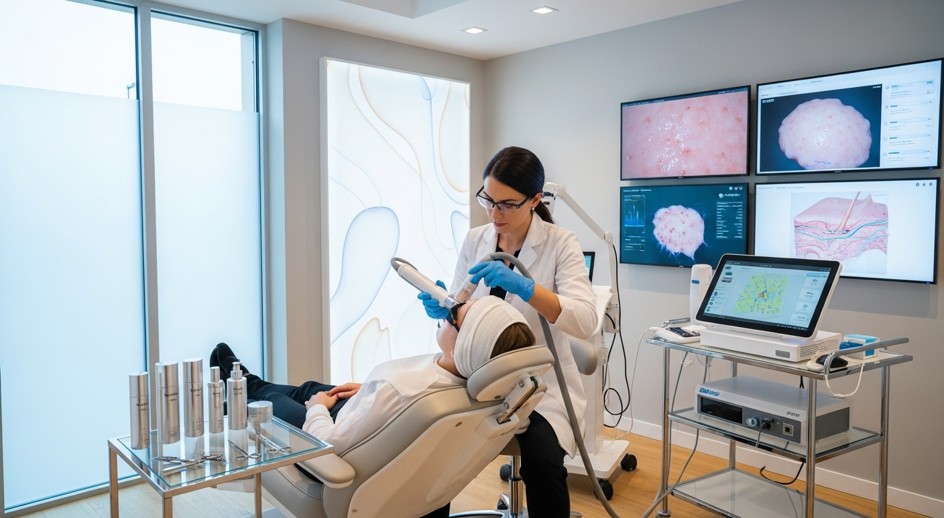
Modern medicine has evolved rapidly over the past few decades, transforming how diseases are diagnosed, treated, and managed. Today’s treatments are not only more effective but also more personalized, less invasive, and focused on improving quality of life. Understanding these advancements can help individuals make informed healthcare decisions and feel more confident when navigating medical options.
What Defines Modern Medical Treatments?
Modern medical treatments combine advanced technology, scientific research, and patient-centered care. The focus has shifted from simply treating symptoms to addressing root causes and preventing disease progression.
Key Characteristics
- Precision and personalization
- Minimally invasive procedures
- Integration of digital technology
- Faster recovery times
These elements work together to improve outcomes and reduce risks.
Personalized Medicine
Personalized medicine tailors treatment based on an individual’s genetic makeup, lifestyle, and environment.
How It Works
- Genetic testing identifies how your body responds to certain drugs
- Treatments are customized to target specific conditions
- Risk factors can be identified early
Benefits include:
- More effective treatments
- Fewer side effects
- Improved long-term outcomes
This approach is especially useful in managing chronic diseases and cancer.
Minimally Invasive Procedures
Traditional surgeries often required large incisions and long recovery periods. Modern techniques have changed that.
Common Examples
- Laparoscopic surgery
- Endoscopic procedures
- Robotic-assisted surgeries
Advantages
- Smaller incisions
- Reduced pain
- Shorter hospital stays
- Faster recovery
Patients can often return to normal activities much sooner than before.
Advances in Diagnostic Technology
Accurate diagnosis is the foundation of effective treatment. Modern tools provide faster and more precise results.
Key Innovations
- Imaging technologies: MRI, CT scans, and ultrasound
- AI-assisted diagnostics: Detecting patterns in medical data
- Wearable devices: Continuous health monitoring
These tools help detect diseases at earlier stages, improving treatment success rates.
Telemedicine and Digital Healthcare
Healthcare is no longer limited to physical clinics. Digital platforms have made medical care more accessible.
Features of Telemedicine
- Online consultations with doctors
- Remote monitoring of chronic conditions
- Access to digital prescriptions and records
Why it matters: It saves time, reduces travel, and increases access to care, especially in remote areas.
Targeted Therapies and Advanced Treatments
Modern medicine focuses on targeting diseases more precisely rather than affecting the entire body.
Examples
- Targeted cancer therapies: Attack specific cancer cells
- Immunotherapy: Boosts the body’s immune system to fight disease
- Regenerative medicine: Uses stem cells to repair damaged tissues
These treatments offer new hope for conditions once considered difficult to treat.
Preventive and Lifestyle-Based Care
Modern healthcare emphasizes prevention as much as treatment.
Preventive Strategies
- Regular health screenings
- Vaccinations
- Lifestyle counseling (diet, exercise, stress management)
Preventive care reduces the risk of serious illnesses and lowers long-term healthcare costs.
Role of Artificial Intelligence in Medicine
Artificial Intelligence (AI) is reshaping how healthcare is delivered.
Applications
- Predicting disease risks
- Assisting in diagnosis
- Automating administrative tasks
- Enhancing treatment planning
AI improves efficiency and allows healthcare providers to focus more on patient care.
Challenges in Modern Medical Treatments
Despite the advancements, some challenges remain.
Common Issues
- High cost of advanced treatments
- Accessibility in rural or low-income areas
- Ethical concerns around genetic data and AI
- Need for continuous medical education
Addressing these challenges is essential for making modern healthcare more inclusive.
Conclusion
Modern medical treatments represent a significant shift toward smarter, safer, and more personalized healthcare. With innovations like minimally invasive surgery, digital health tools, and targeted therapies, patients now have access to better outcomes and improved quality of life. Staying informed about these developments can empower individuals to take a more active role in their health journey.
FAQs
1. Are modern medical treatments safer than traditional ones?
In many cases, yes. Advances in technology and research have improved safety, precision, and recovery times.
2. What is the difference between personalized medicine and traditional treatment?
Personalized medicine is tailored to an individual’s genetic and lifestyle factors, while traditional treatment often follows a standard approach for all patients.
3. Is telemedicine suitable for all types of medical issues?
Telemedicine works well for routine consultations and follow-ups but may not replace in-person visits for emergencies or complex conditions.
4. How do minimally invasive surgeries reduce recovery time?
They involve smaller incisions, which lead to less tissue damage, reduced pain, and quicker healing.
5. Can modern treatments cure chronic diseases completely?
Some chronic conditions can be managed effectively, but not all can be completely cured. Treatment focuses on improving quality of life.
6. Are advanced treatments like immunotherapy widely available?
Availability varies by location and healthcare system, but access is gradually expanding worldwide.
7. How can patients stay updated about new medical treatments?
Consulting healthcare professionals, following trusted medical sources, and attending regular check-ups can help stay informed.
