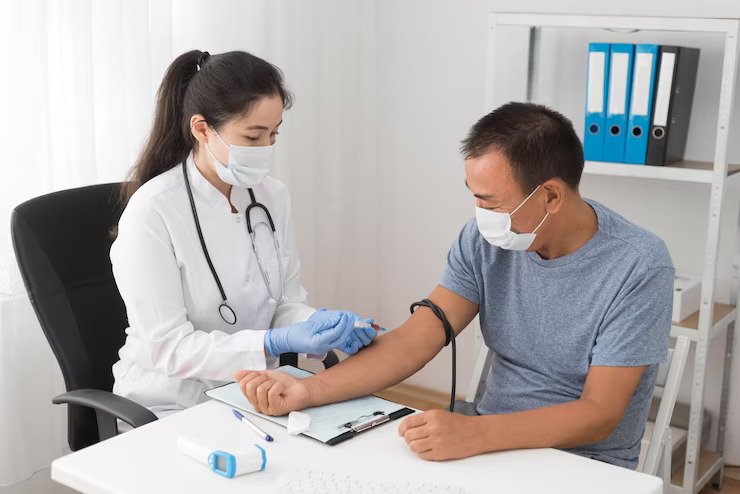
Early diagnosis is one of the most powerful tools in modern healthcare. Identifying a disease in its initial stages can significantly improve treatment outcomes, reduce complications, and even save lives. Despite this, many people delay medical check-ups until symptoms become severe, often making treatment more complex and costly.
Understanding the value of early detection can encourage proactive health decisions and long-term well-being.
What Is Early Diagnosis?
Early diagnosis refers to identifying a disease or condition at its initial stage—often before noticeable symptoms appear.
Key Aspects
- Detecting diseases through routine screenings
- Recognizing early warning signs
- Using diagnostic tools to confirm conditions quickly
This proactive approach allows healthcare providers to intervene before the disease progresses.
Why Early Diagnosis Matters
Early detection can dramatically influence how a condition is treated and managed.
Major Benefits
- Higher treatment success rates
- Reduced risk of complications
- Lower healthcare costs over time
- Improved quality of life
In many cases, diseases like cancer, diabetes, and heart conditions are far more manageable when caught early.
Preventing Disease Progression
Many illnesses develop gradually. Without early diagnosis, they may advance to more severe stages.
Examples
- High blood pressure leading to heart disease
- Prediabetes progressing to diabetes
- Early-stage cancer becoming aggressive
Identifying these conditions early can stop or slow their progression.
Role of Regular Health Screenings
Routine health check-ups are essential for early detection.
Common Screenings
- Blood pressure monitoring
- Blood sugar tests
- Cholesterol checks
- Cancer screenings (such as mammograms and colon exams)
These tests help detect hidden health issues before symptoms arise.
Early Diagnosis and Chronic Diseases
Chronic diseases often develop silently and require long-term management.
Benefits of Early Detection
- Better control through medication and lifestyle changes
- Reduced risk of complications
- Slower disease progression
Early diagnosis empowers patients to take control of their health sooner.
Impact on Treatment Options
The stage at which a disease is diagnosed often determines the available treatment options.
Key Advantages
- Less aggressive treatments may be sufficient
- Higher chances of recovery
- Reduced need for complex procedures
For example, early-stage conditions may be treated with medication or minor interventions rather than surgery.
Mental and Emotional Benefits
Early diagnosis doesn’t just affect physical health—it also influences mental well-being.
Positive Effects
- Reduced anxiety from uncertainty
- More time to plan and make informed decisions
- Greater sense of control over health
Knowing your condition early allows you to approach treatment with clarity and confidence.
Barriers to Early Diagnosis
Despite its importance, several factors prevent people from seeking timely medical care.
Common Challenges
- Lack of awareness
- Fear of diagnosis
- Limited access to healthcare services
- Financial constraints
Addressing these barriers is essential for improving public health outcomes.
How to Encourage Early Diagnosis
Taking simple steps can make a big difference in detecting diseases early.
Practical Tips
- Schedule regular health check-ups
- Pay attention to unusual symptoms
- Maintain a healthy lifestyle
- Seek medical advice promptly when needed
Proactive habits can significantly reduce long-term health risks.
Conclusion
Early diagnosis plays a crucial role in improving health outcomes, reducing treatment complexity, and enhancing quality of life. By prioritizing regular screenings and staying alert to changes in your body, you can take a proactive approach to your health. In many cases, early action is the difference between manageable treatment and serious complications.
FAQs
1. What age should I start regular health screenings?
It depends on your health history and risk factors, but many screenings begin in early adulthood and increase with age.
2. Can early diagnosis completely prevent diseases?
Not always, but it can significantly reduce the severity and improve management outcomes.
3. Are health screenings painful or risky?
Most routine screenings are simple, safe, and minimally invasive.
4. How often should I get a full body check-up?
Generally, once a year is recommended, but frequency may vary based on individual health needs.
5. What are silent diseases that require early diagnosis?
Conditions like hypertension, diabetes, and some cancers often show no early symptoms.
6. Does family history affect the need for early diagnosis?
Yes, a family history of certain diseases may require earlier and more frequent screenings.
7. Can lifestyle changes reduce the need for frequent screenings?
Healthy habits help reduce risk but do not replace the need for regular medical check-ups.
