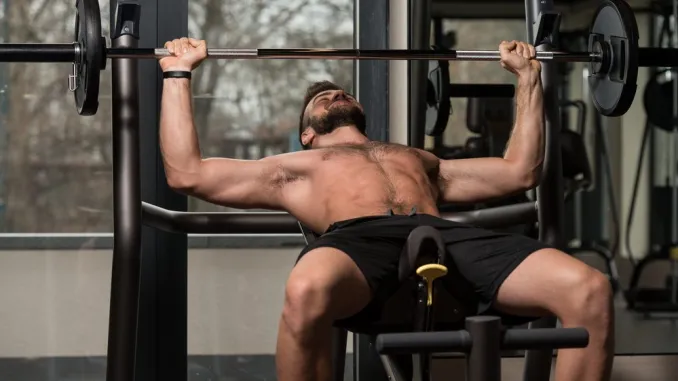
Achieving fitness goals isn’t just about working out consistently—your diet plays an equally critical role. Many people put in hours at the gym but still struggle to see results because of simple, often overlooked dietary mistakes. Understanding these pitfalls can help you make smarter choices and unlock real progress.
Ignoring Calorie Balance
One of the most common mistakes is misunderstanding calorie intake.
What Goes Wrong
- Eating more calories than your body burns
- Assuming “healthy” foods don’t contribute to calorie surplus
- Not adjusting intake based on activity level
Why it matters: Even nutritious foods can lead to weight gain if consumed in excess. Fat loss or muscle gain always depends on the right calorie balance.
Skipping Meals Frequently
Skipping meals might seem like a shortcut to weight loss, but it often backfires.
The Impact
- Slower metabolism over time
- Increased hunger leading to overeating later
- Energy crashes during workouts
Instead of skipping meals, aim for regular, balanced eating to maintain steady energy.
Not Eating Enough Protein
Protein is essential for muscle repair and growth, yet many diets fall short.
Signs You’re Not Getting Enough
- Slow muscle recovery
- Constant hunger
- Difficulty building lean muscle
Good sources include: eggs, lentils, dairy, fish, chicken, and tofu.
Over-Relying on Processed “Healthy” Foods
Foods labeled as “low-fat,” “diet,” or “sugar-free” can be misleading.
Common Traps
- Protein bars loaded with sugar
- Packaged smoothies with hidden calories
- Artificial sweeteners increasing cravings
Whole foods are usually a better choice than heavily processed alternatives.
Neglecting Hydration
Water is often overlooked, yet it directly affects performance and recovery.
Consequences of Poor Hydration
- Reduced workout performance
- Fatigue and headaches
- Slower metabolism
Drinking enough water throughout the day is a simple but powerful habit.
Eating Too Little
Undereating can be just as harmful as overeating, especially for fitness goals.
What Happens When You Undereat
- Muscle loss instead of fat loss
- Low energy levels
- Hormonal imbalances
Your body needs fuel to perform and recover properly.
Lack of Meal Planning
Without a plan, it’s easy to fall into unhealthy eating patterns.
Common Outcomes
- Frequent reliance on fast food
- Poor portion control
- Nutrient imbalances
Planning meals ahead can save time and help maintain consistency.
Cutting Out Entire Food Groups
Extreme diets that eliminate carbs or fats completely can harm your progress.
Why This Is a Problem
- Nutritional deficiencies
- Reduced energy levels
- Difficulty sustaining the diet long-term
Balance is far more effective than restriction.
Eating Without Awareness
Mindless eating—especially while watching screens—can lead to overeating.
Fix This By
- Paying attention to portion sizes
- Eating slowly
- Recognizing hunger and fullness cues
This simple shift can significantly improve your diet quality.
Expecting Instant Results
Many people give up too soon because they expect quick changes.
The Reality
- Sustainable progress takes time
- Crash diets often lead to rebound weight gain
- Consistency matters more than perfection
Patience and discipline are key to long-term success.
Conclusion
Fitness progress isn’t just about what you do in the gym—it’s heavily influenced by your daily eating habits. Avoiding common diet mistakes like skipping meals, under-eating protein, or relying on processed foods can make a noticeable difference. Focus on consistency, balance, and awareness to align your diet with your fitness goals.
FAQs
1. Can I achieve fitness goals without strict dieting?
Yes, a balanced and consistent approach is more effective than strict or extreme dieting.
2. How do I know if I’m eating too many calories?
Tracking your food intake for a few days can help you understand your calorie consumption patterns.
3. Is eating late at night bad for fitness?
It depends more on total daily intake than timing, but late-night overeating can hinder progress.
4. Do cheat meals ruin fitness progress?
Occasional indulgences are fine if they don’t turn into regular habits.
5. How important is meal timing for workouts?
Eating before and after workouts can improve performance and recovery, but total nutrition matters more.
6. Should I completely avoid carbs for fat loss?
No, carbohydrates are an important energy source and should be included in moderation.
7. What’s the biggest mistake beginners make with diet?
Inconsistency—frequently switching diets or not sticking to a plan long enough to see results.
